
Single peptide Vial strength 5 mg
Semax5 mg
Explore the format, calculations, and schedules reported for this compound.
Back to peptides
Get to know the compound
Semax, explained simply
An ACTH-derived heptapeptide examined through the intranasal route in neurological research.
Research area
Neuroscience
How it works
Semax is a synthetic heptapeptide derived from an ACTH fragment, studied mainly by the intranasal route.
Why it matters
Research explores attention, neurological function, and responses to stress.
What has been observed
Human studies in volunteers and specific neurological settings are distinguished from preparation calculations.
Effects and points to consider
Route and formulation must match those studied; findings cannot be generalized to every preparation.
01 / Vial strength 5 mg
Reported data
Doses and cycles are presented for information and education only; they are not prescriptions or medical advice.
Reported vial strength and reconstitution
| Vial contents | 5 mg Semax |
|---|---|
| 5 mL final volume | 1 mg/mL 100 mcg per verified 0.10 mL spray, and 50 nominal sprays. |
| 10 mL final volume | 0.5 mg/mL 50 mcg per verified 0.10 mL spray, and 100 nominal sprays. |
| Primary human research route | Intranasal drops or measured intranasal solution. |
Semax 5 mg Nasal Spray Calculations
| Measured Final Volume | Vehicle Added After Transfer | Final Concentration | Per Verified 0.10 mL Spray |
|---|---|---|---|
| 5.0 mL | About 2.0 mL | 1,000 mcg/mL | 100 mcg 50 nominal sprays |
| 10.0 mL | About 7.0 mL | 500 mcg/mL | 50 mcg 100 nominal sprays |
Reference Schedule
| Period | Amount | Spray Volume | Frequency |
|---|---|---|---|
| Days 1–5 | 200–300 mcg per administration (400–900 mcg/day) | 0.20–0.30 mL at 1 mg/mL (2–3 verified 0.10 mL sprays) | 2–3 times in the first half of the day |
Research Amount to Spray Equivalents
| Research Amount | 5 mL Option100 mcg per Spray | 10 mL Option50 mcg per Spray |
|---|---|---|
| 200 mcg | 2 sprays | 4 sprays |
| 300 mcg | 3 sprays | 6 sprays |
| 400 mcg | 4 sprays | 8 sprays |
| 500 mcg | 5 sprays | 10 sprays |
Published Human Intranasal Semax Research
| Source | Research Context | Published Intranasal Amount and Formulation |
|---|---|---|
| Kaplan et al., 1996[1] | Healthy volunteers in operator and EEG experiments | Experiments included 0.25 mg and 1 mg exposures. The operator experiment reported 1 mg in 0.4 mL physiological solution. |
| Lebedeva et al., 2018[2] | Healthy volunteer fMRI study | One 1.2 mg exposure using a 1% solution, with 60 microliters placed into each nostril. |
| Gusev et al., 2018[3] | Condition-specific post-stroke research | 6,000 mcg per day for 10 days, followed by a second 10-day course after a 20-day interval. |
| Official 0.1% Semax instructions | Registered intranasal drop formulation | 1 mg/mL in purified water with methylparaben. Each 0.05 mL drop contained 50 mcg. |
Core Formula
| Verified Actuator Output | 5 mL Option1,000 mcg/mL | 10 mL Option500 mcg/mL |
|---|---|---|
| 0.05 mL | 50 mcg | 25 mcg |
| 0.10 mL | 100 mcg | 50 mcg |
| 0.13 mL | 130 mcg | 65 mcg |
Supplies needed
View on Amazon
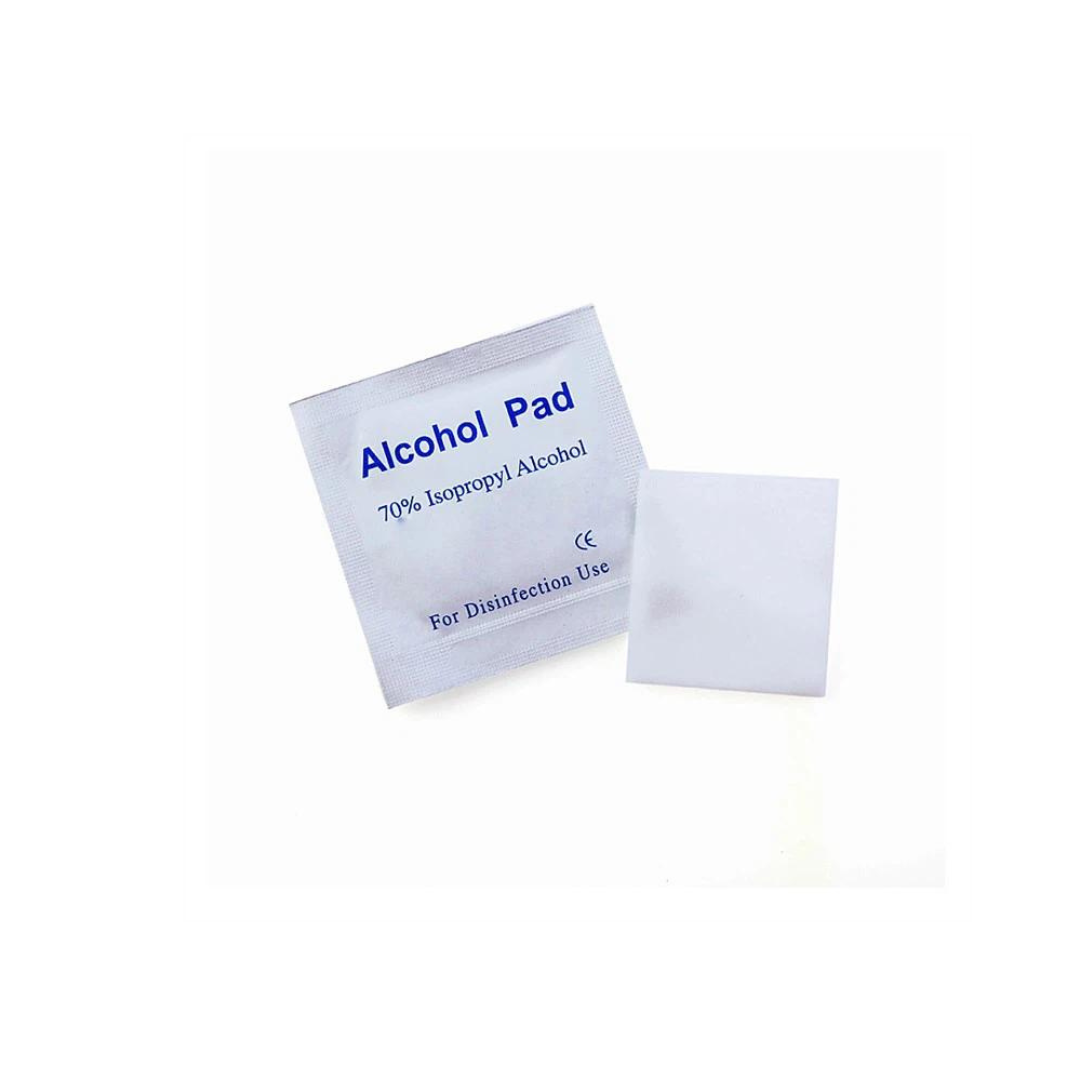
Sterile alcohol swabs
SOURCES
Scientific references
Links reported by the source and selected by type. Their presence does not validate this page’s dosage data.