
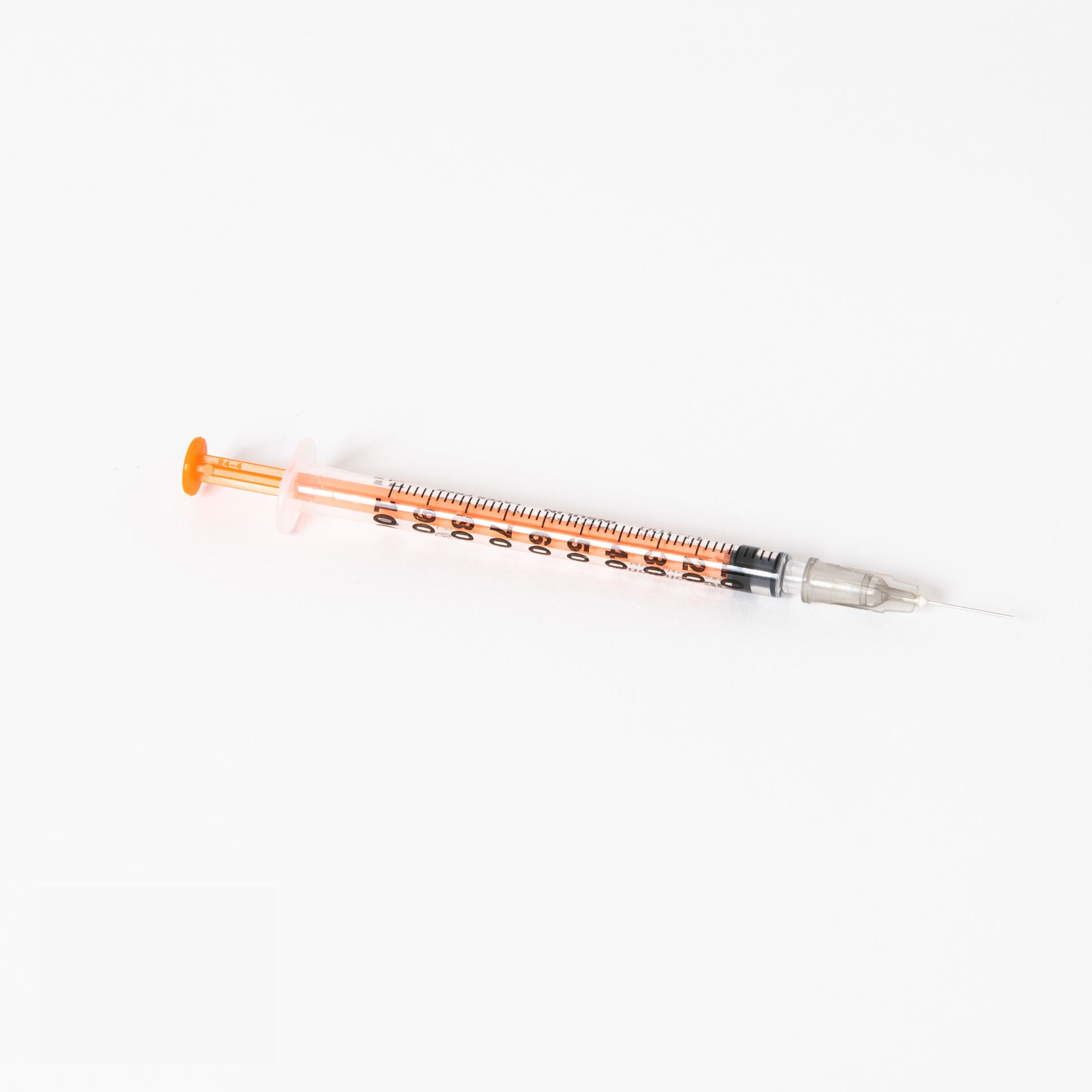
Single peptide Vial strength 5 mg
Oxytocin5 mg
Explore the format, calculations, and schedules reported for this compound.
Back to peptides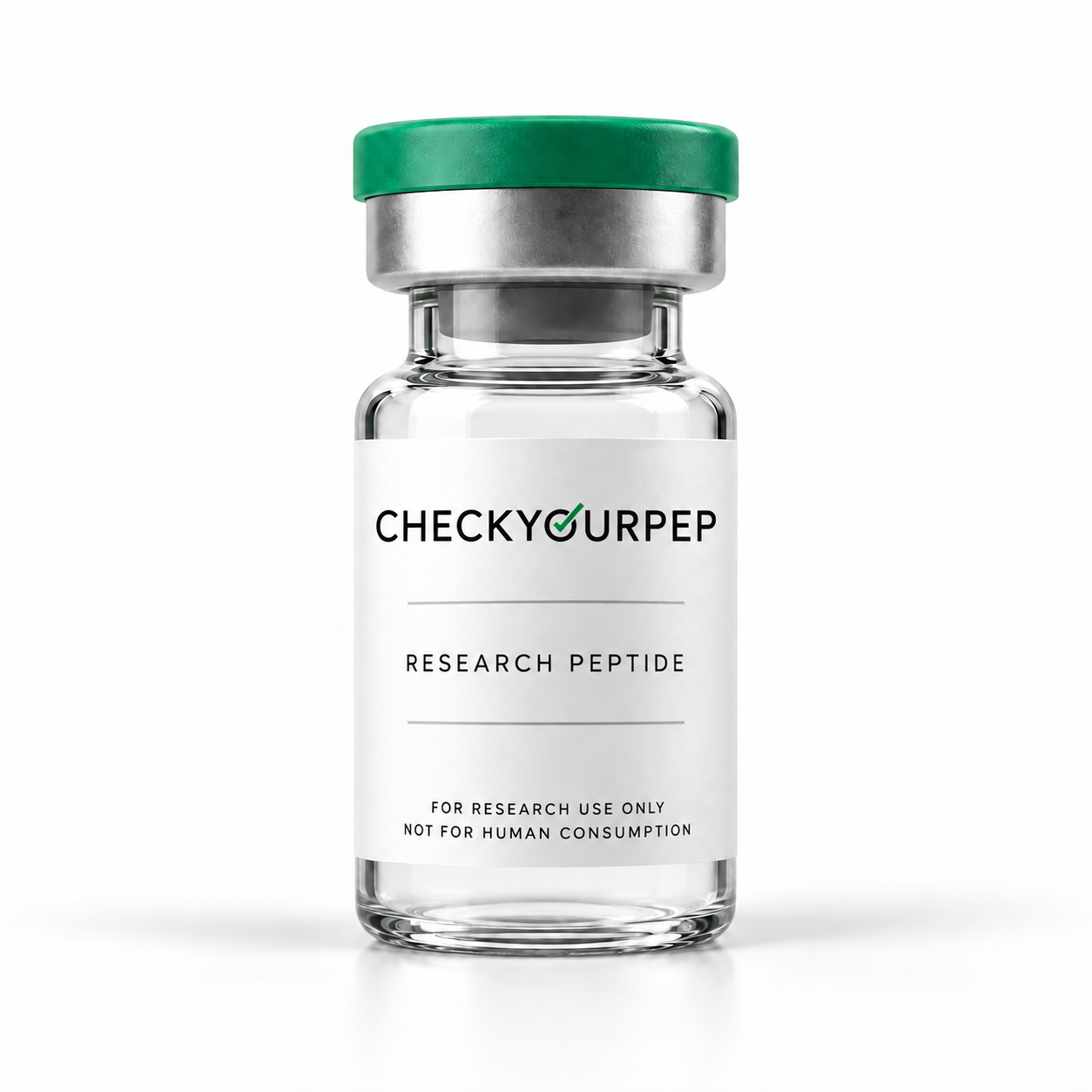
Get to know the compound
Oxytocin, explained simply
A peptide hormone known for its roles in childbirth and lactation and also studied in social behaviour.
Research area
Neuroendocrinology, stress response, and social cognition
How it works
Oxytocin acts through OXTR receptors in peripheral tissues and brain circuits involved in emotion and social behavior.
Why it matters
The same molecule has several physiological roles; study results depend strongly on the population and route used.
What has been observed
Human studies are cited, chiefly with intranasal formulations, on social responses and short-term tolerability.
Effects and points to consider
Behavioral effects are neither universal nor predictable for an individual; formulations are not interchangeable.
01 / Vial strength 5 mg
Reported data
Doses and cycles are presented for information and education only; they are not prescriptions or medical advice.
Reported vial strength and reconstitution
| Vial contents | 5 mg Oxytocin |
|---|---|
| Final volume | 3 mL |
| Concentration | 1.67 mg/mL |
| One U-100 unit | 16.67 mcg in 0.01 mL |
Standard / Gradual Approach (3 mL = ~1.67 mg/mL)
| Week | Daily Dose (mcg) | Units (per injection) (mL) |
|---|---|---|
| Weeks 1–2 | 100 mcg | 6 units (0.06 mL) |
| Weeks 3–4 | 200 mcg | 12 units (0.12 mL) |
| Weeks 5–6 | 300 mcg | 18 units (0.18 mL) |
| Weeks 7–8 | 400 mcg | 24 units (0.24 mL) |
| Weeks 9–12 | 500 mcg | 30 units (0.30 mL) |
Supplies needed
View on Amazon
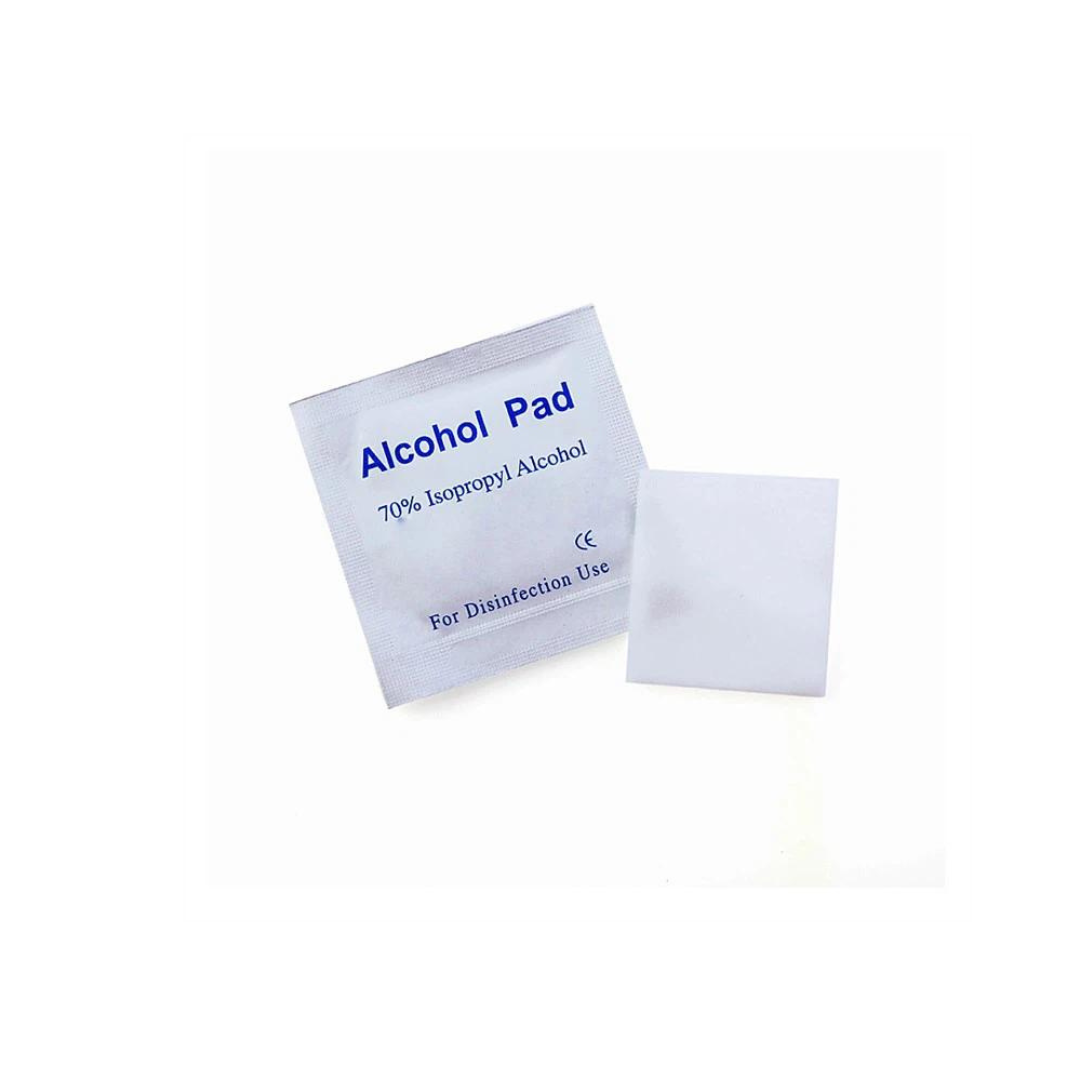
Sterile alcohol swabs
SOURCES
Scientific references
Links reported by the source and selected by type. Their presence does not validate this page’s dosage data.