
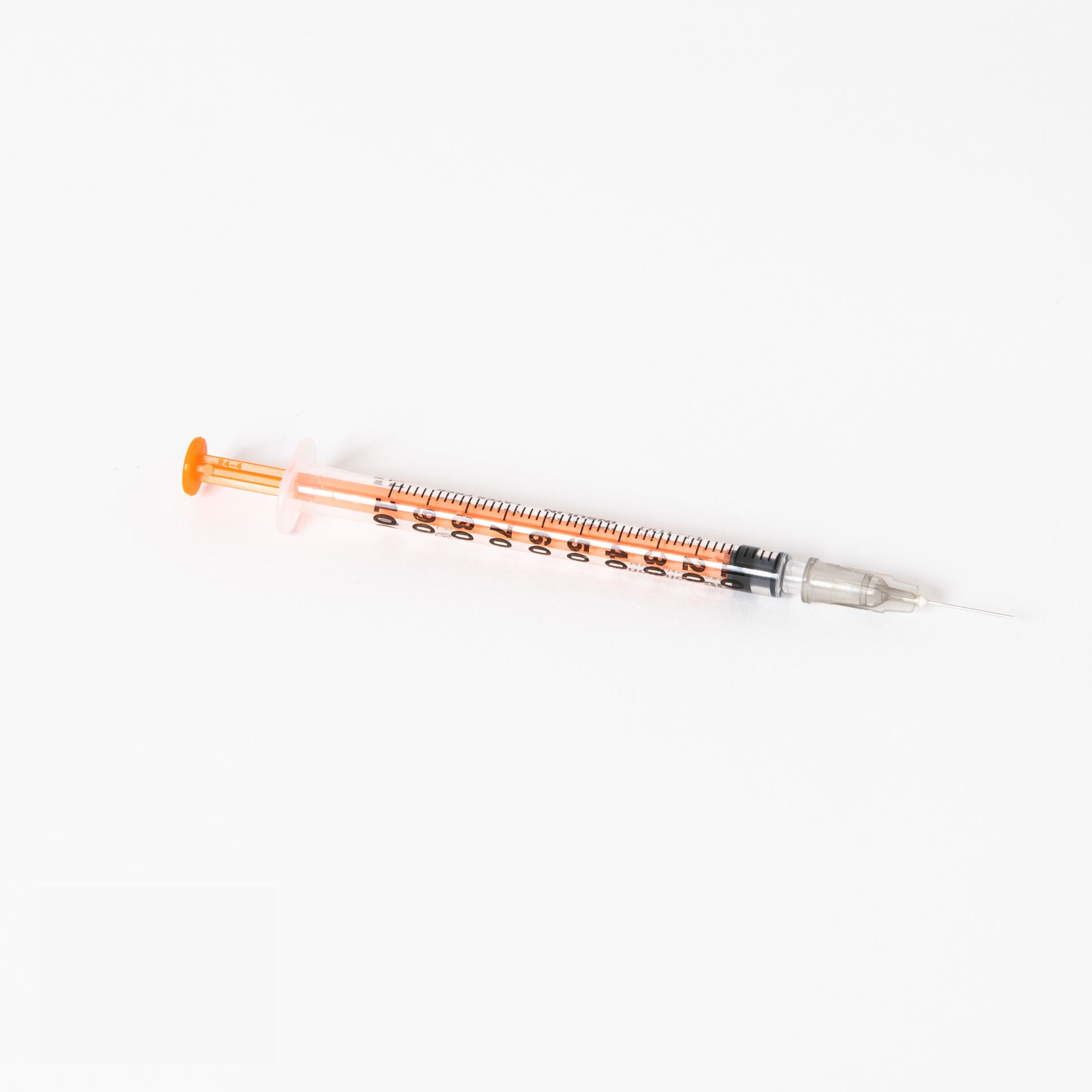
Single peptide Vial strength 1000 mg
NAD+1000 mg
Explore the format, calculations, and schedules reported for this compound.
Back to peptides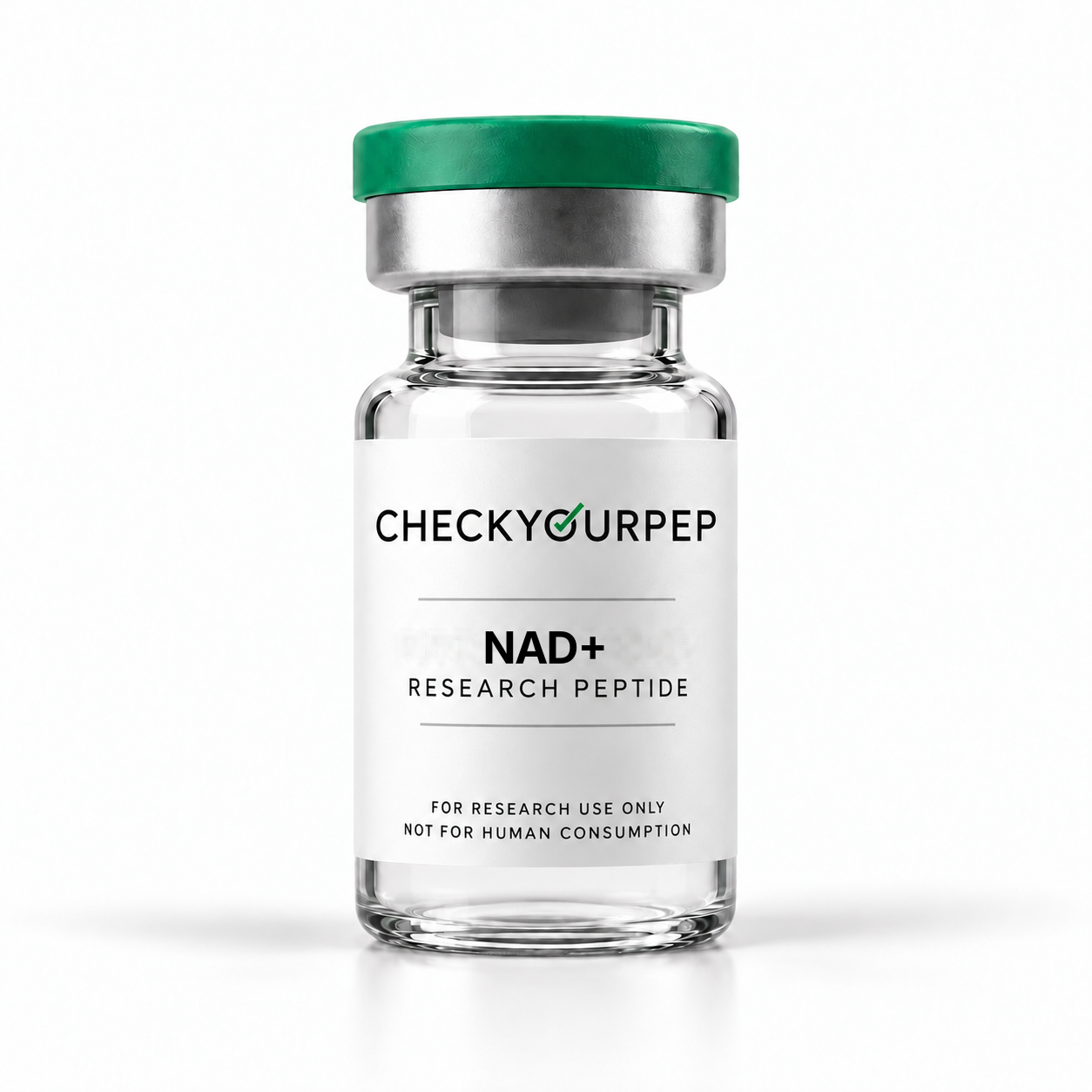
Get to know the compound
NAD+, explained simply
A cellular coenzyme essential to many reactions involved in energy production and cellular maintenance.
Research area
Metabolism, mitochondria, and DNA repair
How it works
NAD+ participates in redox reactions and serves as a substrate for enzymes involved in cellular stress responses.
Why it matters
This profile separates the coenzyme's established biological role from proposed benefits of administering it.
What has been observed
The cited literature mainly concerns intravenous infusions and some early tolerability data; findings do not automatically apply to other routes.
Effects and points to consider
Metabolic status, formulation, and route of administration are essential when interpreting the evidence.
01 / Vial strength 1000 mg
Reported data
Doses and cycles are presented for information and education only; they are not prescriptions or medical advice.
Reported vial strength and reconstitution
| Vial contents | 1000 mg NAD+ |
|---|---|
| Final volume | 3 mL |
| Concentration | 333.33 mg/mL |
| One U-100 unit | 3333.33 mcg in 0.01 mL |
Standard / Gradual Titration Approach (3 mL = 333.3 mg/mL)
| Week | Daily Dose (mg) | Units (per injection) (mL) |
|---|---|---|
| Week 1 | 50 mg | 15 units (0.15 mL) |
| Week 2 | 75 mg | 22.5 units (0.225 mL) |
| Weeks 3–8 | 100 mg | 30 units (0.30 mL) |
| Weeks 9–12 | 100 mg | 30 units (0.30 mL) |
| Weeks 13–16 | 100 mg | 30 units (0.30 mL) |
Supplies needed
View on Amazon
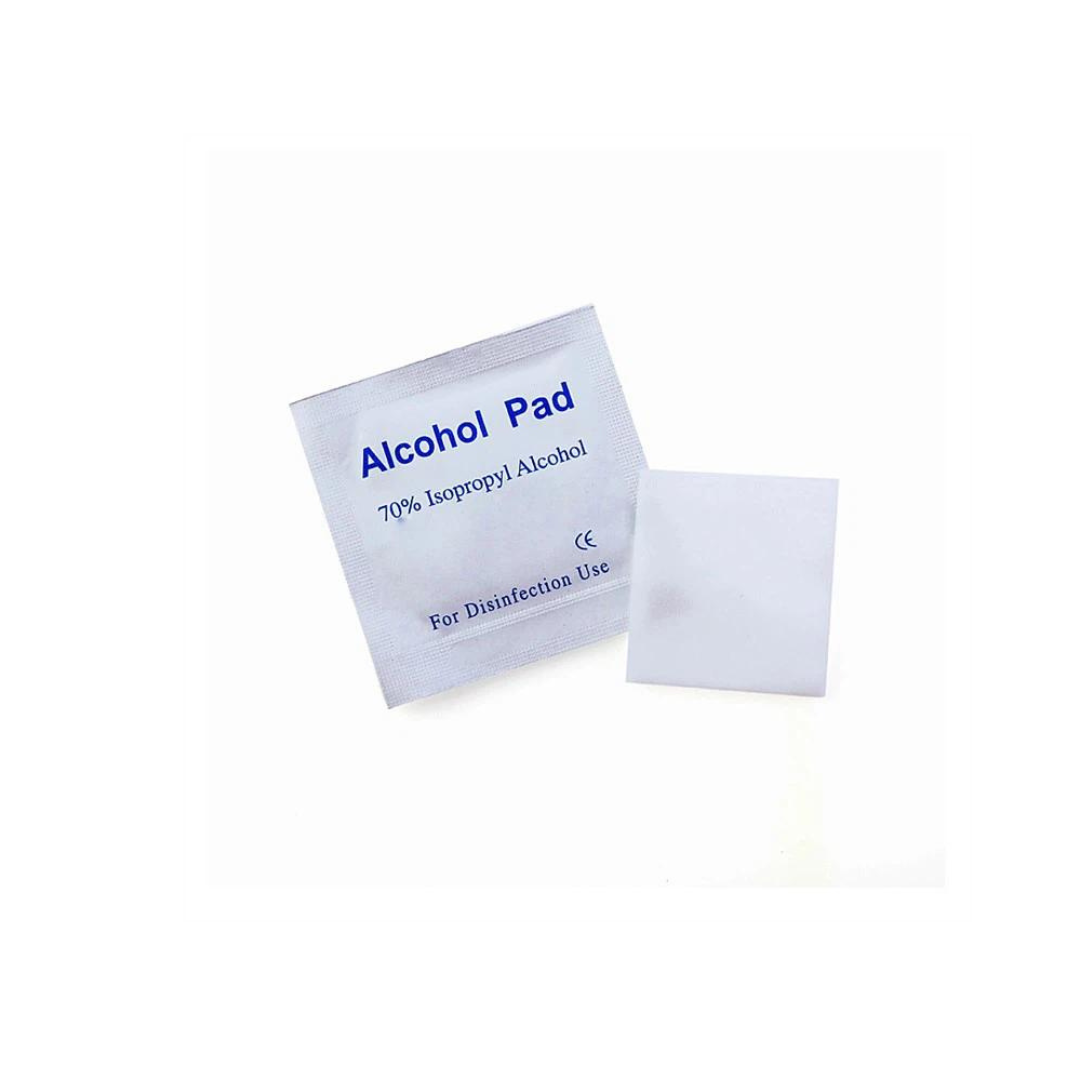
Sterile alcohol swabs
SOURCES
Scientific references
Links reported by the source and selected by type. Their presence does not validate this page’s dosage data.