
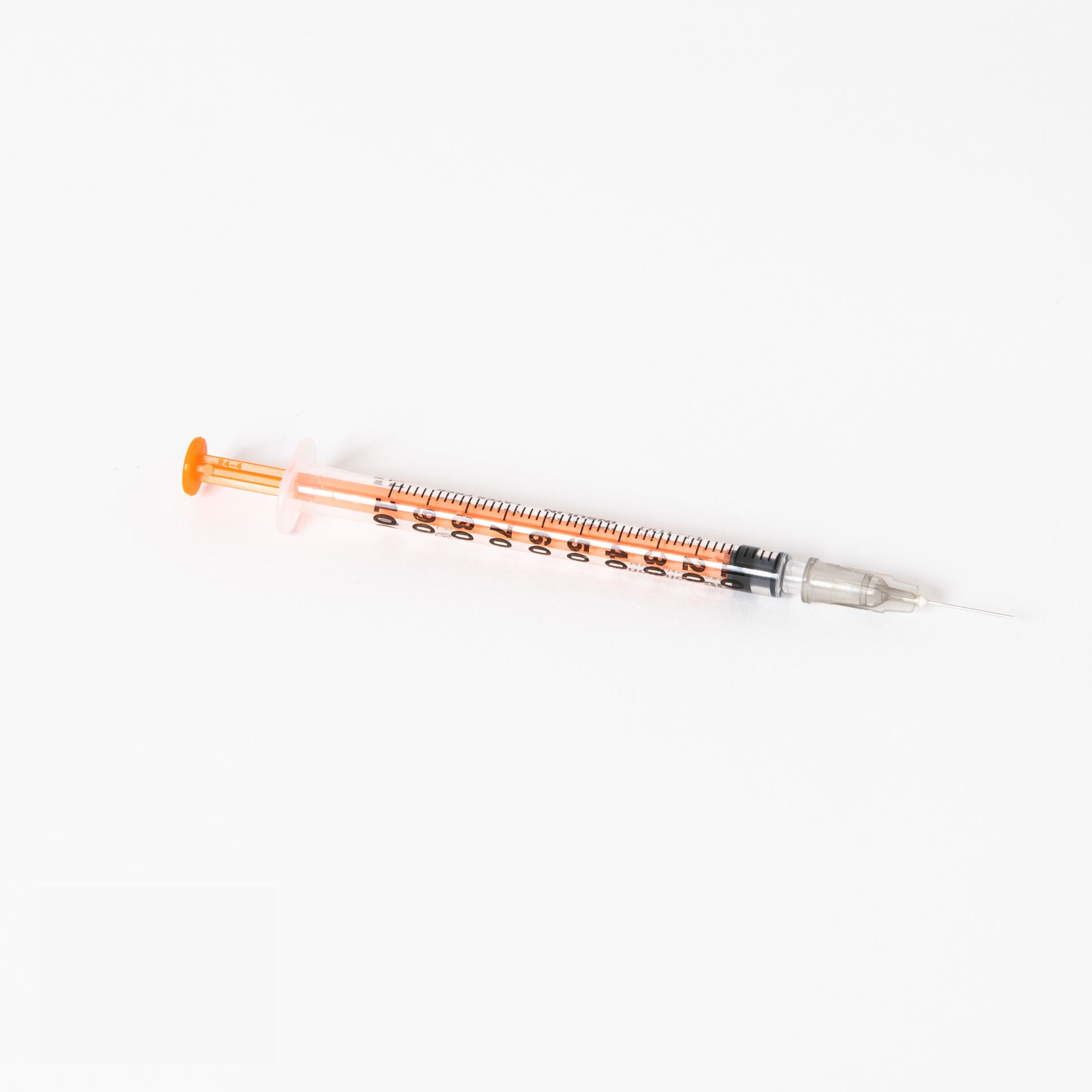
Single peptide Vial strength 5 mg
MOTS-C5 mg
Explore the format, calculations, and schedules reported for this compound.
Back to peptides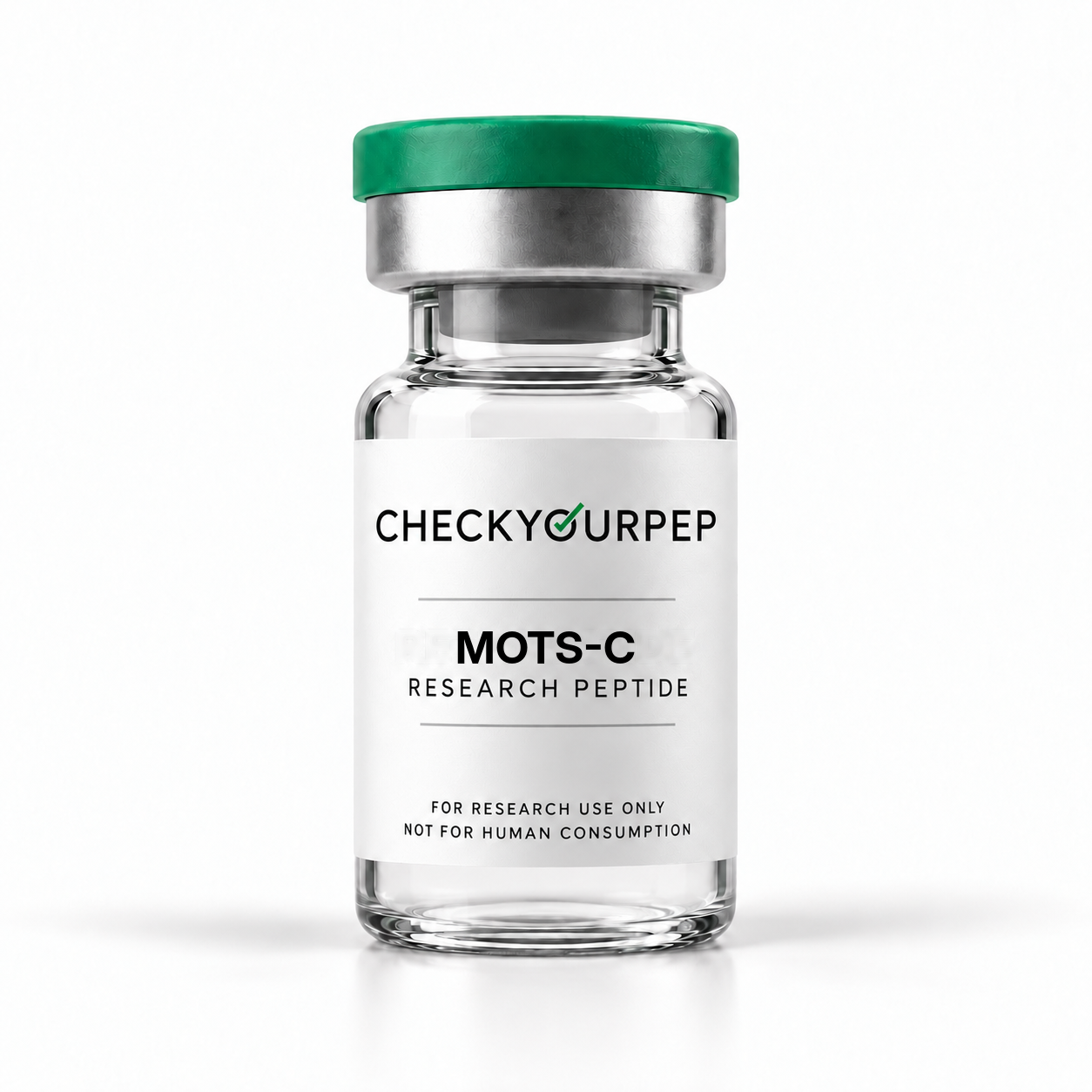
Get to know the compound
MOTS-C, explained simply
A peptide encoded by mitochondrial DNA, investigated for its links to metabolic responses and exercise.
Research area
Insulin sensitivity, energy metabolism and ageing
How it works
In the cited models, MOTS-C is linked to AMPK signalling and the regulation of glucose and lipid use.
Why it matters
Its connection to mitochondrial signals, exercise and metabolism makes it distinct from established metabolic medicines.
What has been observed
Weight and insulin-sensitivity findings come largely from animal models and do not establish the same effects in humans.
Effects and points to consider
An exercise-related response of the body's own peptide does not prove that external administration produces clinical benefit.
01 / Vial strength 5 mg
Reported data
Doses and cycles are presented for information and education only; they are not prescriptions or medical advice.
Reported vial strength and reconstitution
| Vial contents | 5 mg MOTS-C |
|---|---|
| Final volume | 3 mL |
| Concentration | 1.67 mg/mL |
| One U-100 unit | 16.67 mcg in 0.01 mL |
Standard / Gradual Approach (3 mL = ~1.67 mg/mL)
| Week | Daily Dose (mcg) | Units (per injection) (mL) |
|---|---|---|
| Weeks 1–2 | 500 mcg (0.5 mg) | 30 units (0.30 mL) |
| Weeks 3–4 | 1000 mcg (1.0 mg) | 60 units (0.60 mL) |
| Weeks 5–6 | 1500 mcg (1.5 mg) | 90 units (0.90 mL) |
| Weeks 7–8 | 2000 mcg (2.0 mg) | 120 units (two 60‑unit injections)* |
Supplies needed
View on Amazon
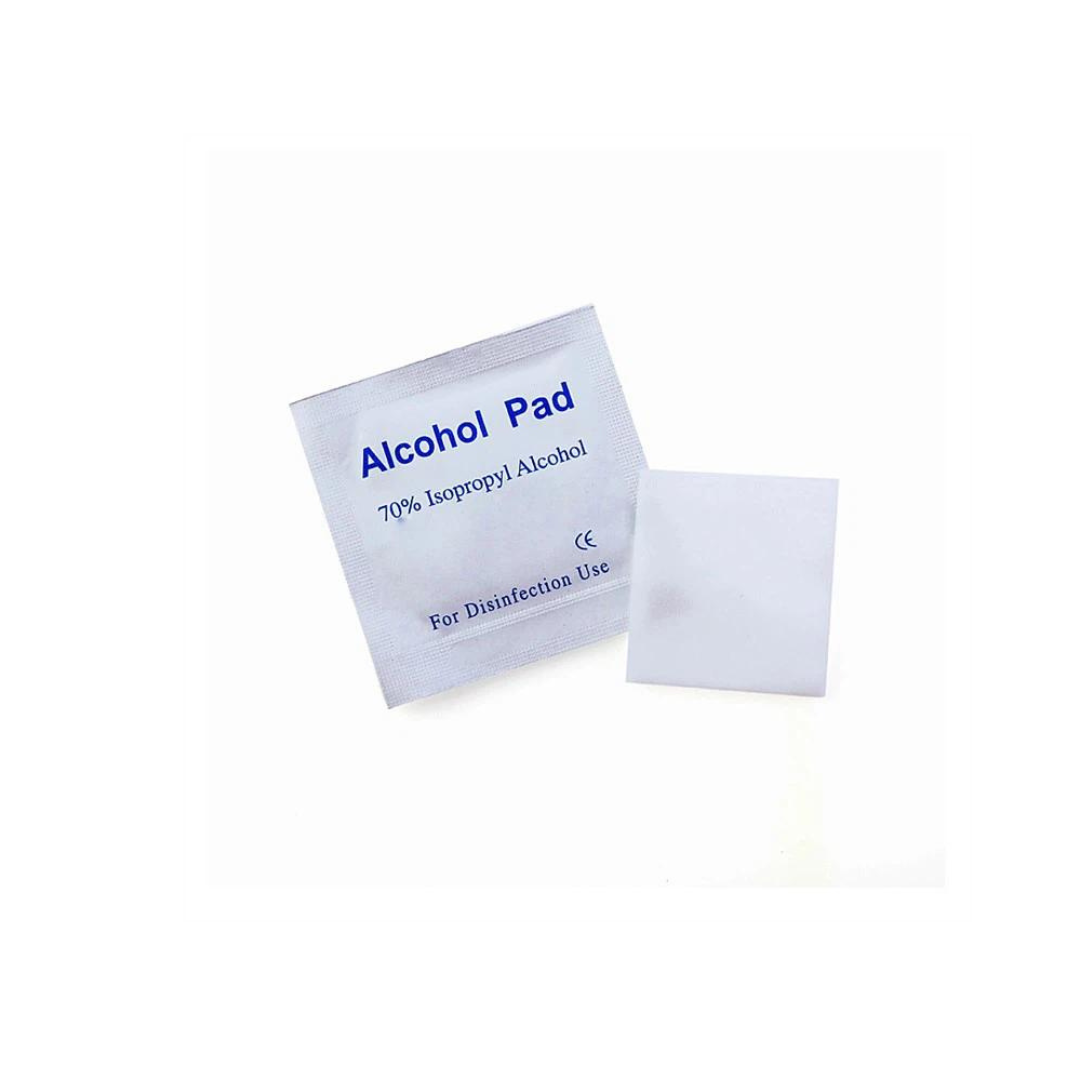
Sterile alcohol swabs
SOURCES
Scientific references
Links reported by the source and selected by type. Their presence does not validate this page’s dosage data.