
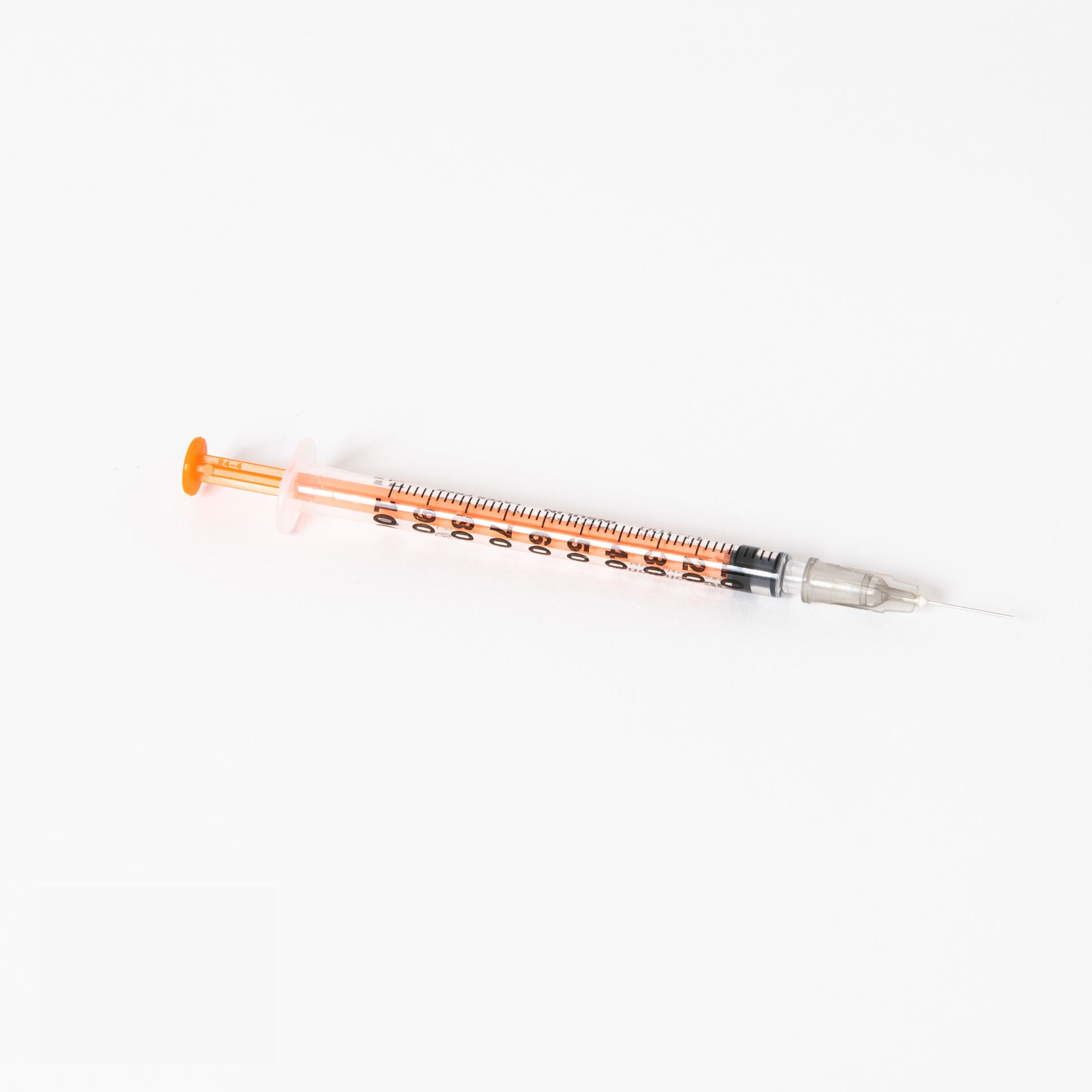
Single peptide Vial strength 5 mg
LL-375 mg
Explore the format, calculations, and schedules reported for this compound.
Back to peptides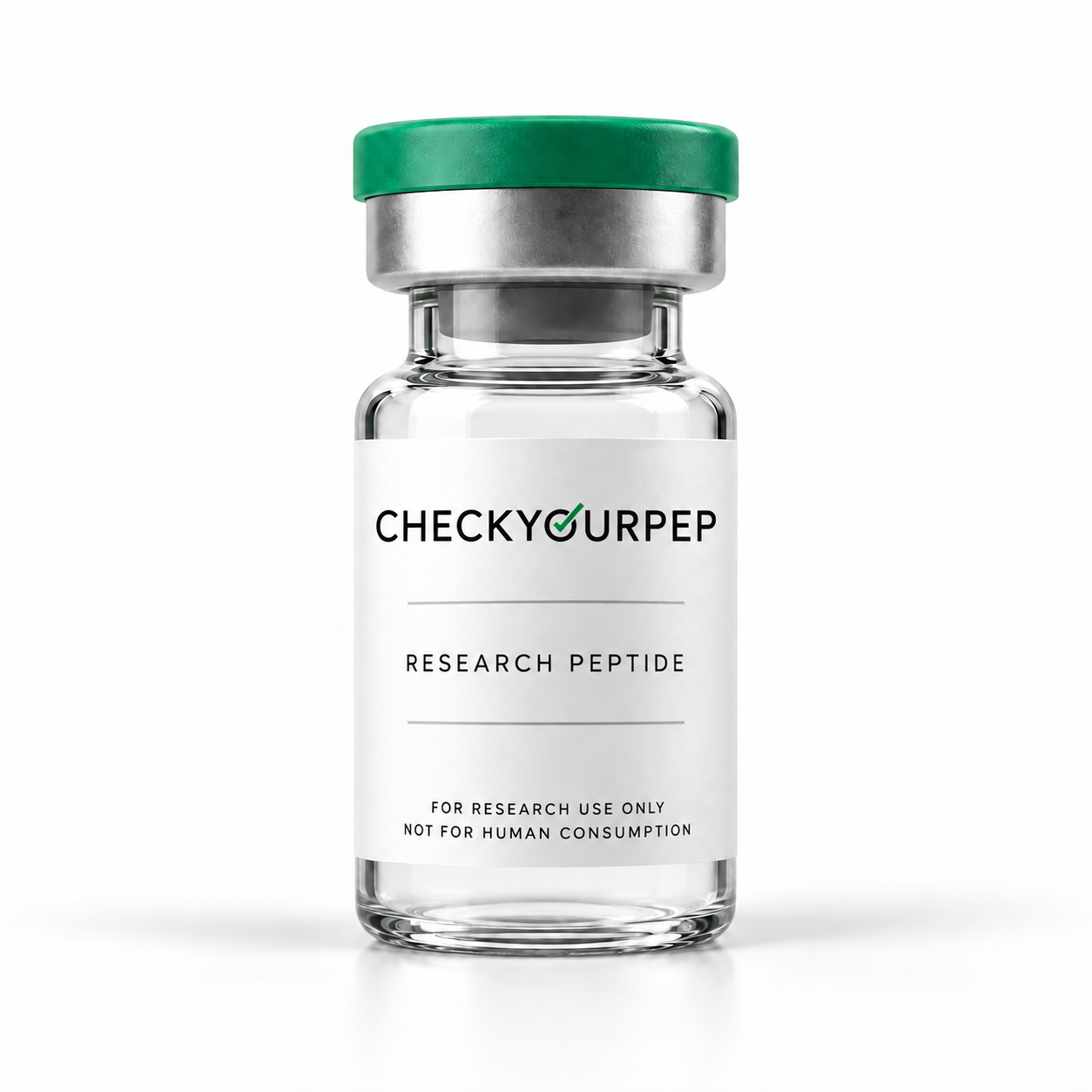
Get to know the compound
LL-37, explained simply
A human cathelicidin studied for its interactions with microbes and immune cells.
Research area
Innate defence, inflammation and tissue repair
How it works
Its charged structure can interact with microbial membranes; experimental models also examine immune signalling.
Why it matters
It illustrates antimicrobial and immune-modulating roles without equating laboratory activity with a therapeutic indication.
What has been observed
Mechanistic and preclinical studies are cited, including infection and endotoxin-response models.
Effects and points to consider
Activity in experimental models does not automatically make a molecule effective or safe as a clinical intervention.
01 / Vial strength 5 mg
Reported data
Doses and cycles are presented for information and education only; they are not prescriptions or medical advice.
Reported vial strength and reconstitution
| Vial contents | 5 mg LL-37 |
|---|---|
| Final volume | 3 mL |
| Concentration | 1.67 mg/mL |
| One U-100 unit | 16.67 mcg in 0.01 mL |
Standard / Gradual Approach (3 mL = ~1.67 mg/mL)
| Week | Daily Dose (µg) | Units (per injection) (mL) |
|---|---|---|
| Week 1 | 50 µg | 3 units (0.03 mL) |
| Week 2 | 100 µg | 6 units (0.06 mL) |
| Week 3 | 150 µg | 9 units (0.09 mL) |
| Week 4 | 200 µg | 12 units (0.12 mL) |
| Week 5 | 250 µg | 15 units (0.15 mL) |
| Week 6 | 300 µg | 18 units (0.18 mL) |
| Week 7 | 350 µg | 21 units (0.21 mL) |
| Week 8 | 400 µg | 24 units (0.24 mL) |
Supplies needed
View on Amazon
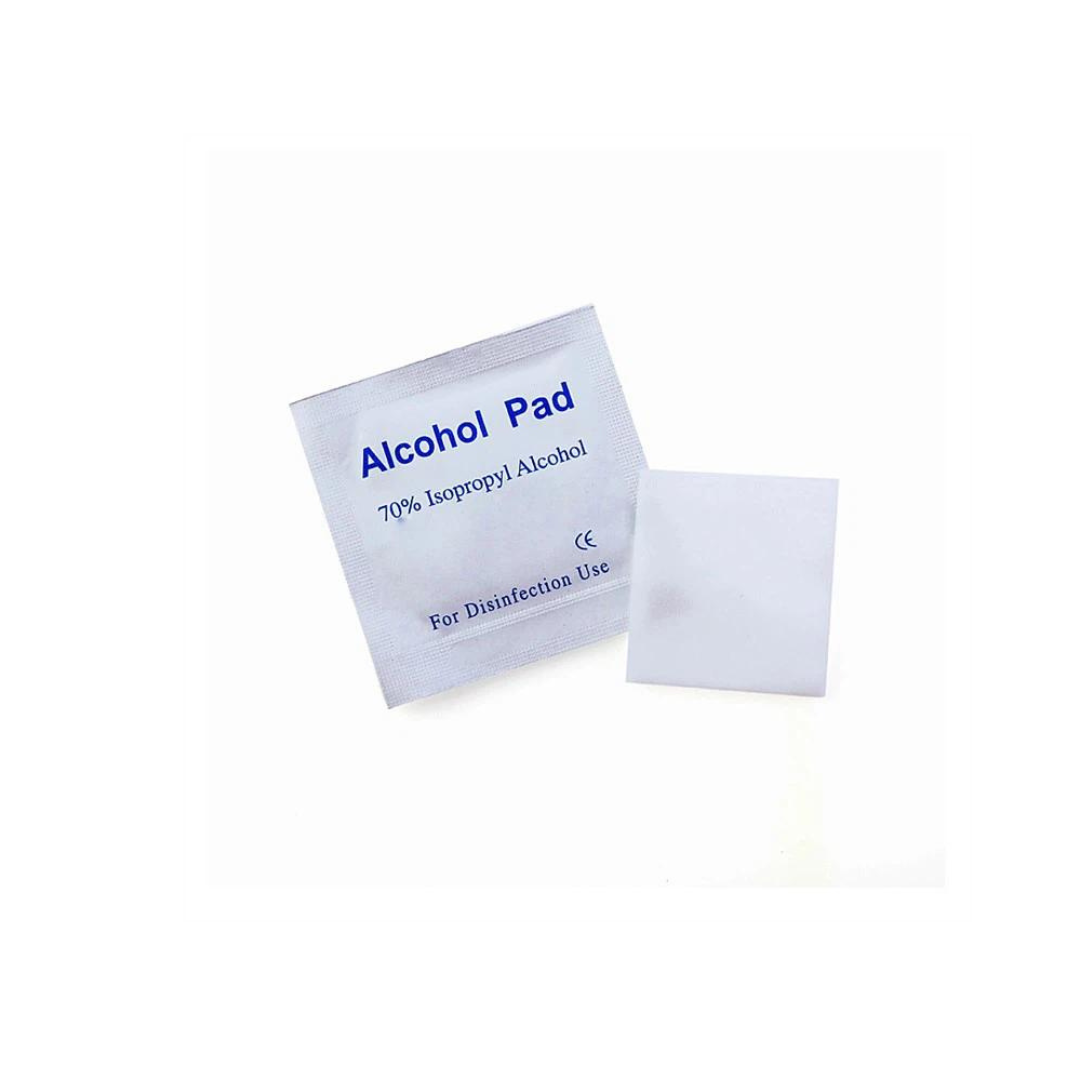
Sterile alcohol swabs
SOURCES
Scientific references
Links reported by the source and selected by type. Their presence does not validate this page’s dosage data.