
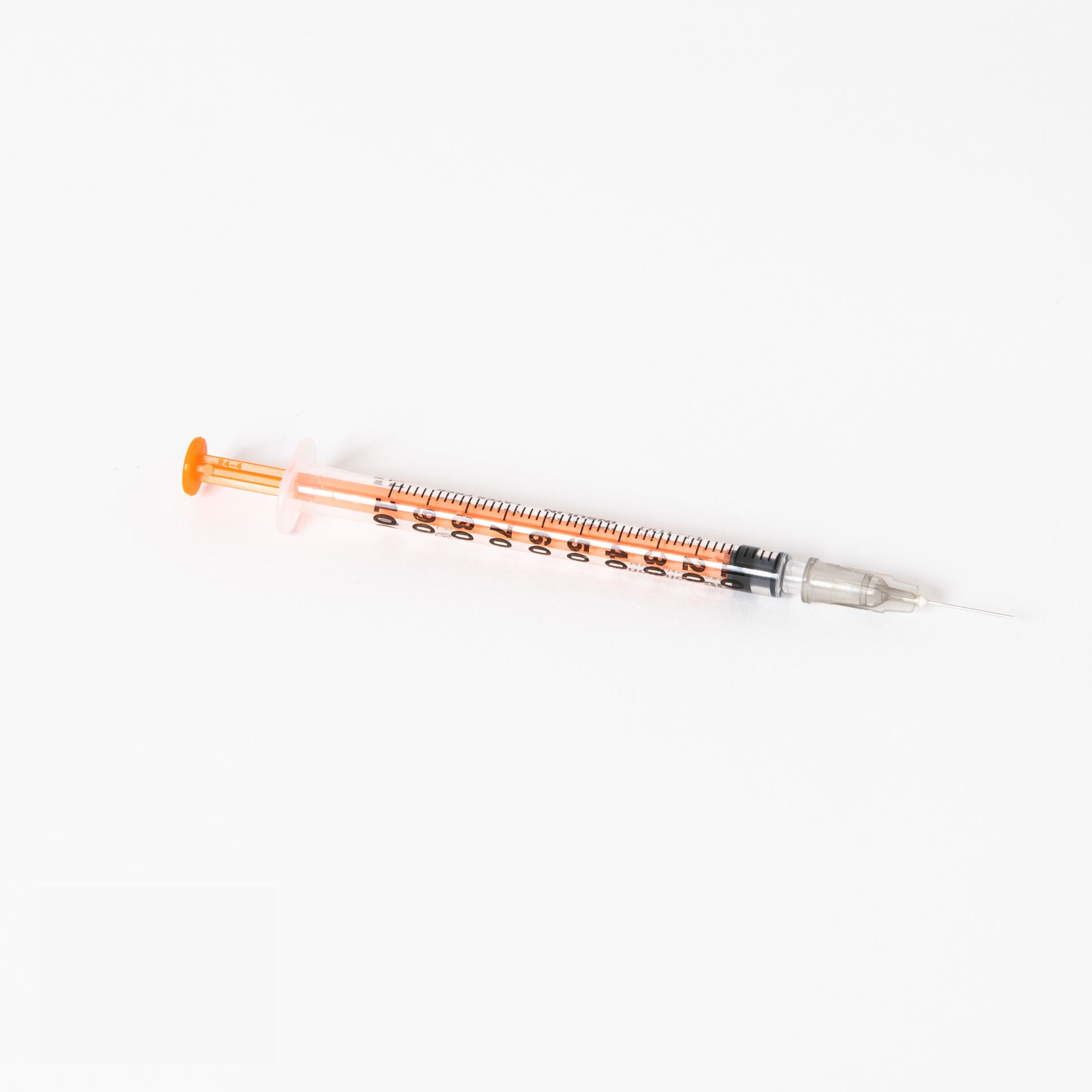
Single peptide Vial strength 200 mg
L-Carnitine200 mg
Explore the format, calculations, and schedules reported for this compound.
Back to peptides
Get to know the compound
L-Carnitine, explained simply
An amino acid derivative involved in transporting long-chain fatty acids into mitochondria.
Research area
Energy metabolism and exercise
How it works
Participates in the carnitine palmitoyltransferase system, making fatty acids available for beta-oxidation.
Why it matters
The profile distinguishes its physiological role from possible supplementation effects in different populations.
What has been observed
Clinical and preclinical weight and exercise studies are cited, with results dependent on the setting.
Effects and points to consider
Absorption, administration route and nutritional status can alter interpretation. A general weight-loss effect should not be assumed.
01 / Vial strength 200 mg
Reported data
Doses and cycles are presented for information and education only; they are not prescriptions or medical advice.
Reported vial strength and reconstitution
| Vial contents | 200 mg L-Carnitine |
|---|---|
| Final volume | 2 mL |
| Concentration | 100 mg/mL |
| One U-100 unit | 1000 mcg in 0.01 mL |
Standard / Gradual Approach (2.0 mL = 100 mg/mL)
| Week | Daily Dose | Units (per injection) (mL) |
|---|---|---|
| Weeks 1–2 | 50 mg | 50 units (0.50 mL) |
| Weeks 3–8 | 100 mg | 100 units (1.0 mL) |
| Weeks 9–12 | 100 mg | 100 units (1.0 mL) |
Supplies needed
View on Amazon
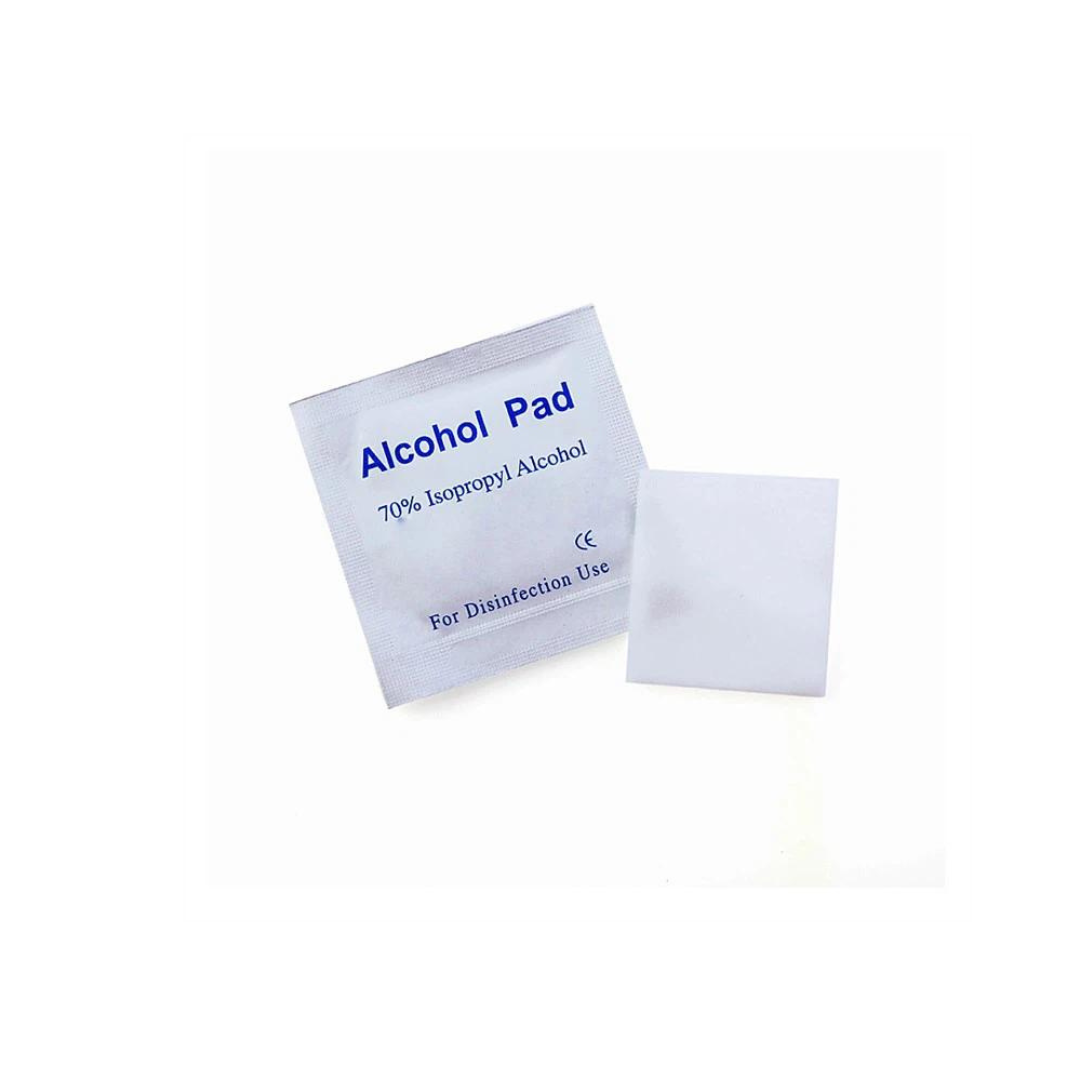
Sterile alcohol swabs
SOURCES
Scientific references
Links reported by the source and selected by type. Their presence does not validate this page’s dosage data.