
Single peptide Vial strength 10 mg
KPV10 mg
Explore the format, calculations, and schedules reported for this compound.
Back to peptides
Get to know the compound
KPV, explained simply
A tripeptide derived from the end of alpha-MSH, explored for possible effects on inflammatory signalling.
Research area
Intestinal inflammation and immune modulation
How it works
In the cited models, KPV is associated with changes in NF-κB signalling and cytokine release.
Why it matters
It helps explain how a peptide fragment can retain some biological activity of a longer molecule.
What has been observed
The main observations are preclinical, including models of colitis and systemic inflammation.
Effects and points to consider
Cell and animal findings do not establish clinical efficacy or safety in humans.
01 / Vial strength 10 mg
Reported data
Doses and cycles are presented for information and education only; they are not prescriptions or medical advice.
Reported vial strength and reconstitution
| Vial contents | 10 mg KPV |
|---|---|
| Final volume | 3 mL |
| Concentration | 3.33 mg/mL |
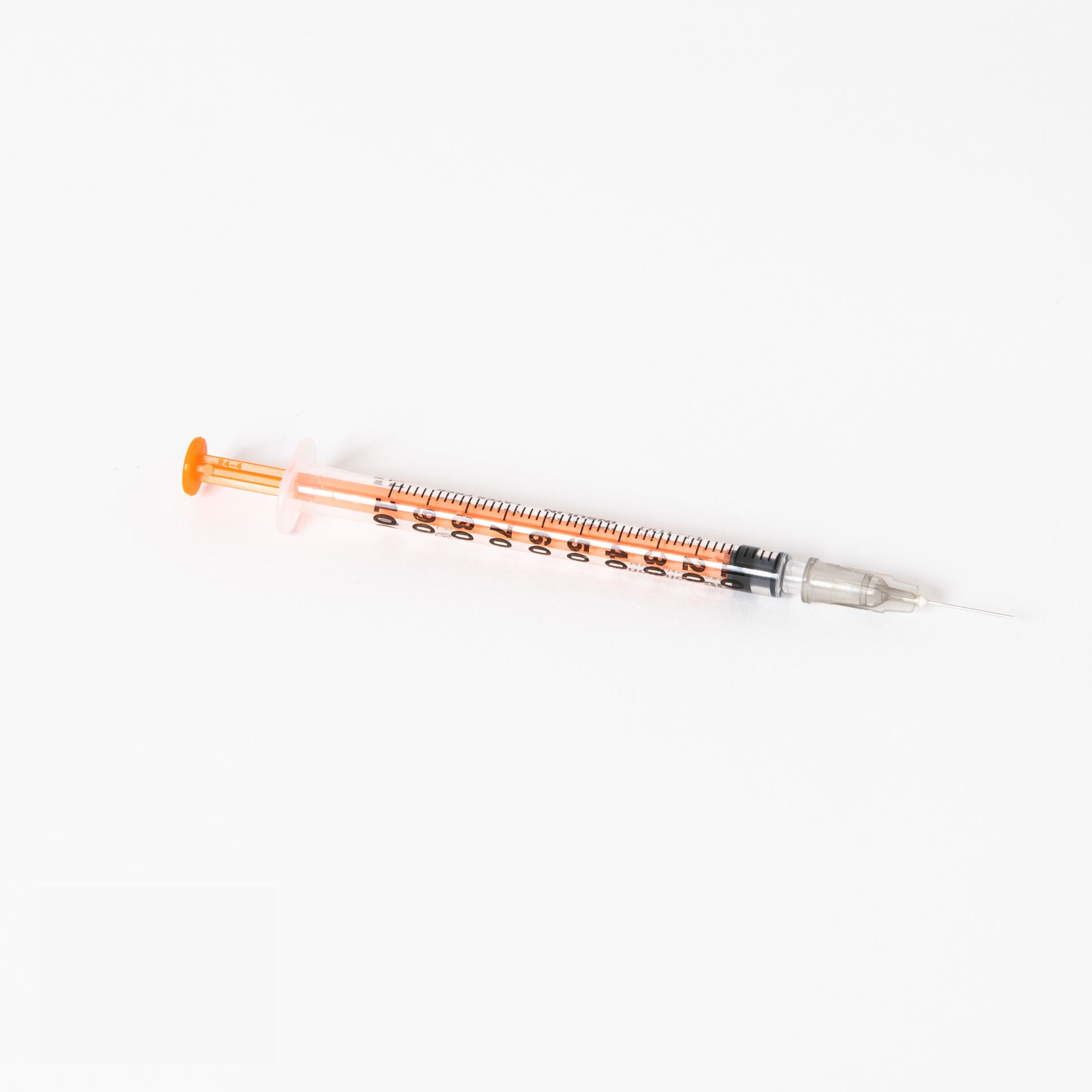
| One U-100 unit | 33.33 mcg in 0.01 mL |
Standard / Gradual Approach (3 mL = ~3.33 mg/mL)
| Week | Daily Dose (mcg) | Units (per injection) (mL) |
|---|---|---|
| Week 1 | 200 mcg | 6 units (0.06 mL) |
| Week 2 | 300 mcg | 9 units (0.09 mL) |
| Week 3 | 400 mcg | 12 units (0.12 mL) |
| Weeks 4–8 | 500 mcg | 15 units (0.15 mL) |
Supplies needed
View on Amazon
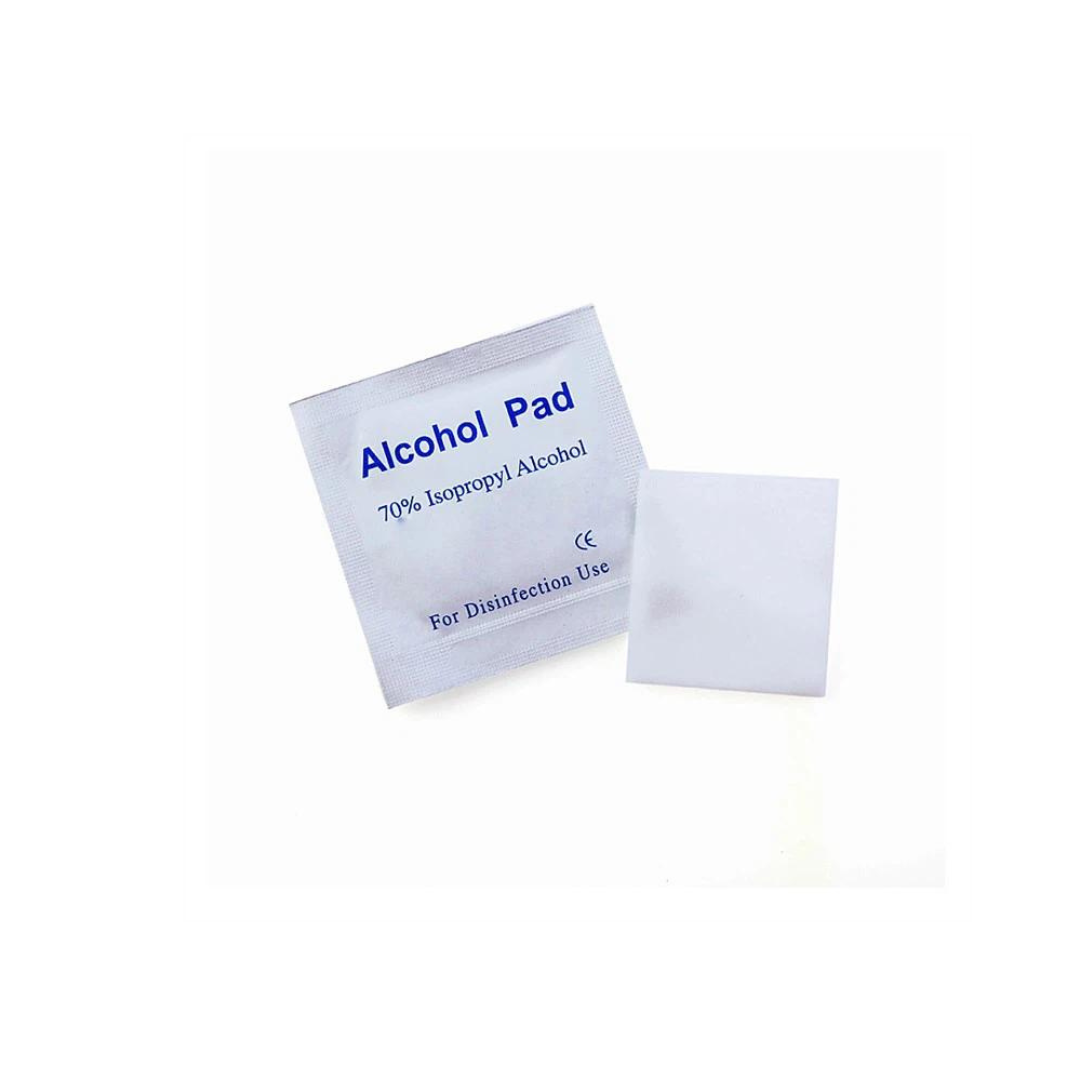
Sterile alcohol swabs
SOURCES
Scientific references
Links reported by the source and selected by type. Their presence does not validate this page’s dosage data.