
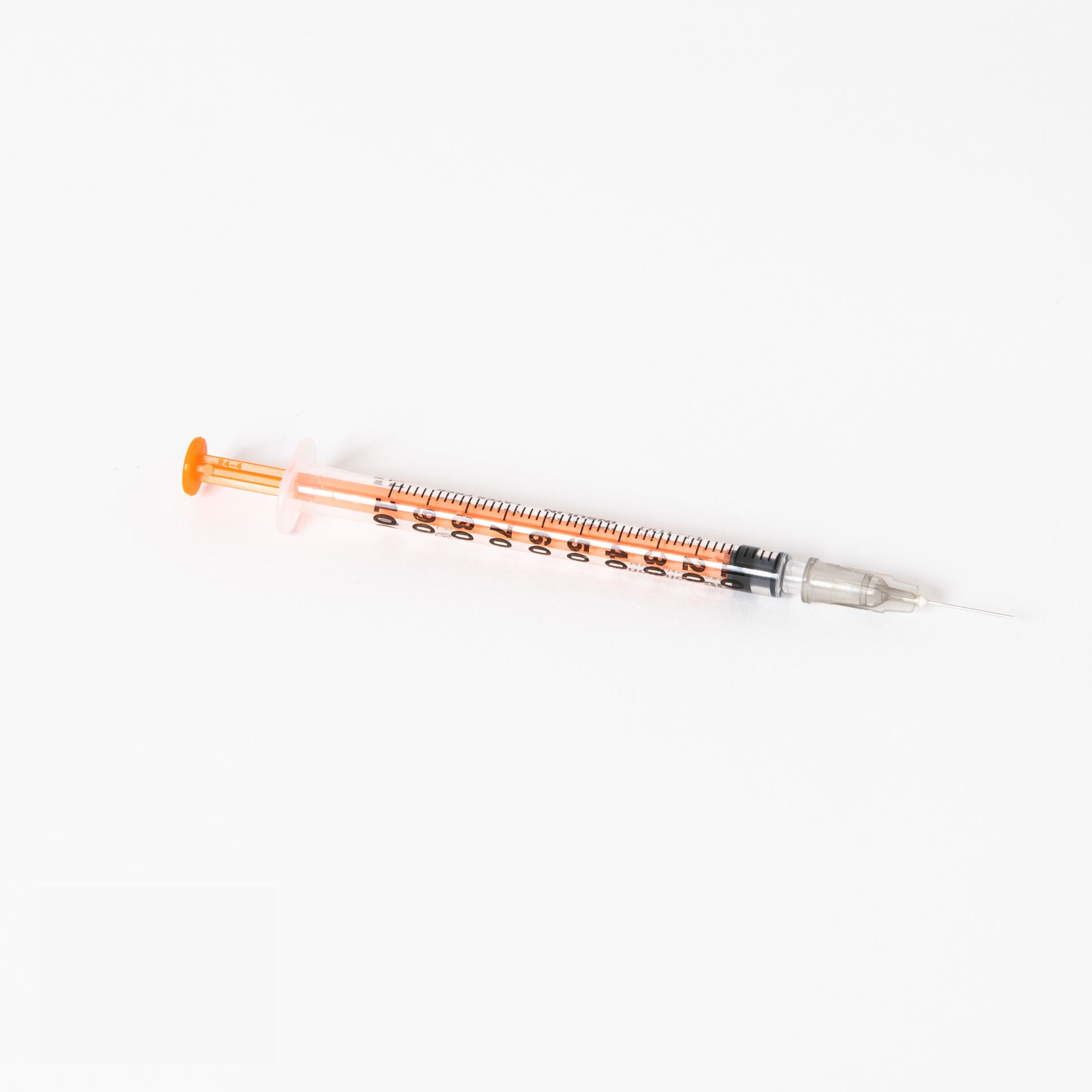
Single peptide Vial strength 50 mg
GHK-Cu50 mg
Explore the format, calculations, and schedules reported for this compound.
Back to peptides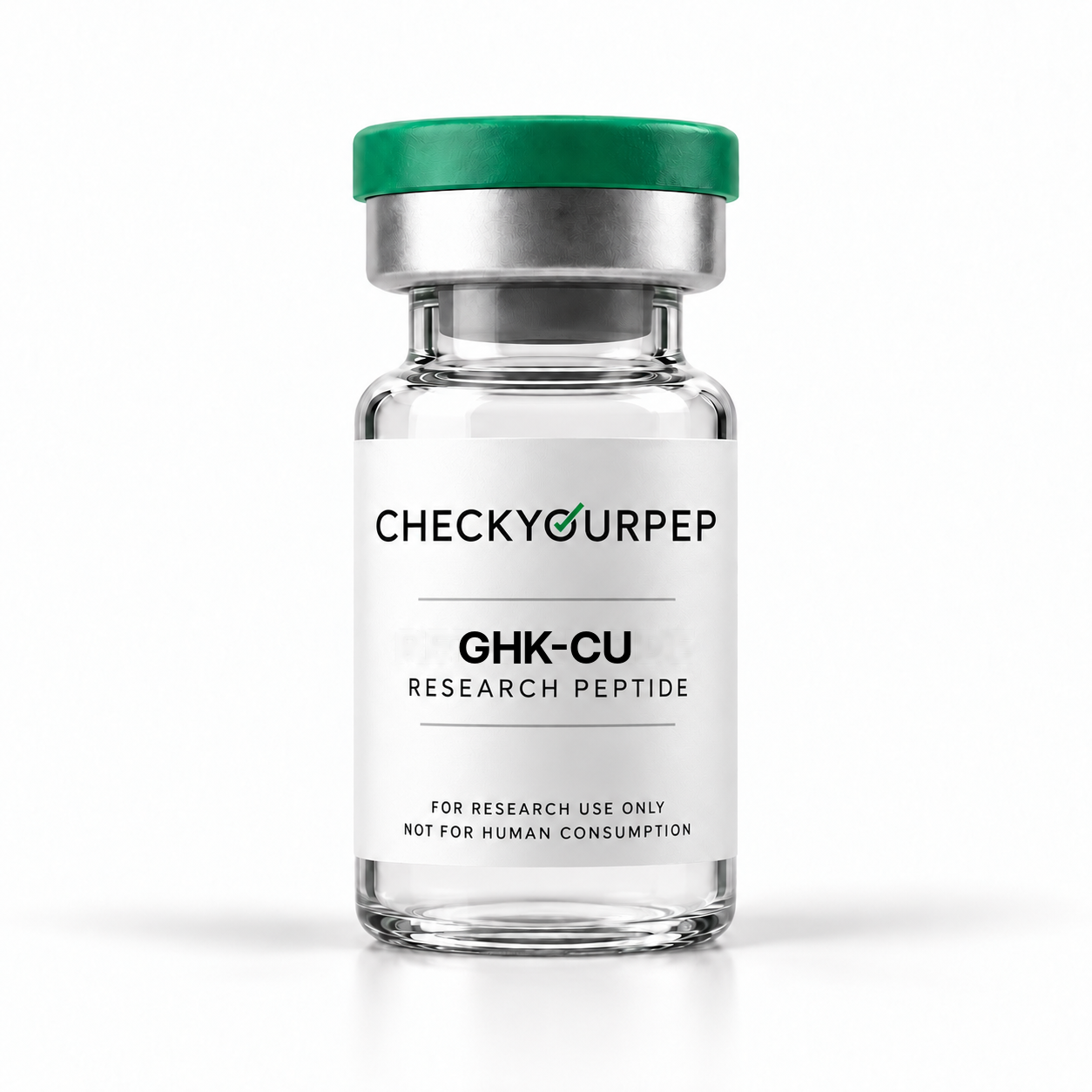
Get to know the compound
GHK-Cu, explained simply
A copper-binding tripeptide also found in the body, investigated for its role in skin and tissue remodelling.
Research area
Skin repair, extracellular matrix and antioxidant signalling
How it works
The GHK–copper complex is studied for its interactions with collagen synthesis and tissue-repair signalling.
Why it matters
It helps clarify the distinction between findings for topical products and hypotheses about other routes of administration.
What has been observed
Available human evidence mainly concerns topical use and wound care; subcutaneous findings are not directly equivalent.
Effects and points to consider
Observed effects depend on formulation and route. Reported protocols should not be read as clinically established treatments.
01 / Vial strength 50 mg
Reported data
Doses and cycles are presented for information and education only; they are not prescriptions or medical advice.
Reported vial strength and reconstitution
| Vial contents | 50 mg GHK-Cu |
|---|---|
| Final volume | 3 mL |
| Concentration | 16.67 mg/mL |
| One U-100 unit | 166.67 mcg in 0.01 mL |
Standard / Conservative Approach (3 mL = 16.67 mg/mL; 5 days/week)
| Week/Phase | Dose per Injection | Units (per injection) (mL) |
|---|---|---|
| Weeks 1-4 | 1.0 mg (1000 mcg) | 6 units (0.06 mL) |
| Weeks 5-8 | 1.5 mg (1500 mcg) | 9 units (0.09 mL) |
| Weeks 9-12+ | 2.0 mg (2000 mcg) | 12 units (0.12 mL) |
Alternative Protocol (3 mL = 16.67 mg/mL; 3 times weekly)
| Week/Phase | Dose per Injection | Units (per injection) (mL) |
|---|---|---|
| Weeks 1-12+ | 2.0 mg (2000 mcg) | 12 units (0.12 mL) |
Supplies needed
View on Amazon
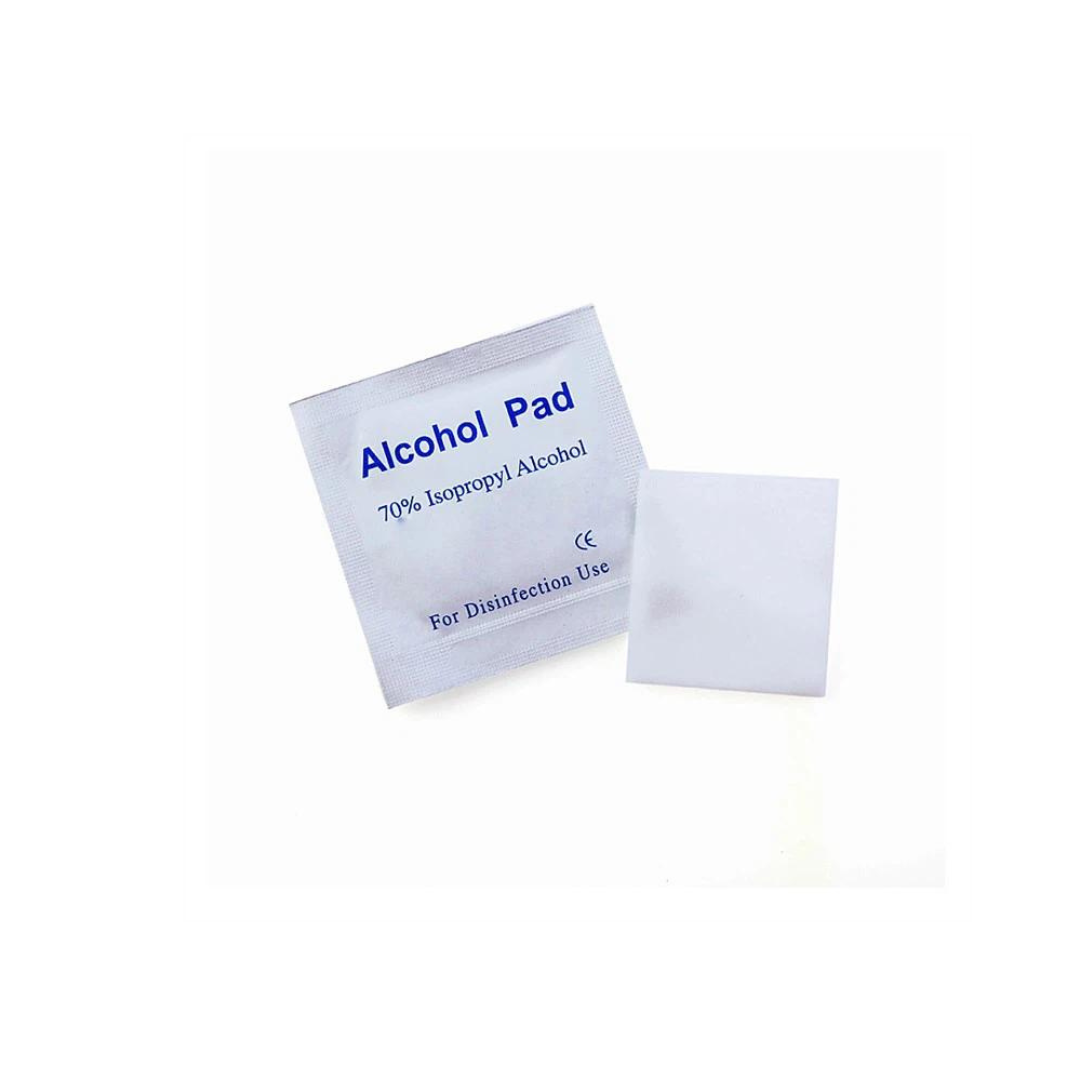
Sterile alcohol swabs
SOURCES
Scientific references
Links reported by the source and selected by type. Their presence does not validate this page’s dosage data.