
Blend Vial strength 10 mg Blend
Cagrilintide + Semaglutide10 mg Blend
Explore the format, calculations, and schedules reported for this compound.
Back to peptides
Get to know the compound
Cagrilintide + Semaglutide, explained simply
A combination of an amylin analogue and a GLP-1 receptor agonist, representing two pathways involved in satiety and weight regulation.
Research area
Appetite, weight and glucose regulation
How it works
Cagrilintide acts on amylin signalling, while semaglutide activates the GLP-1 receptor, affecting appetite and glucose-dependent insulin responses.
Why it matters
Clinical research asks whether these complementary mechanisms offer effects beyond either component alone.
What has been observed
Co-administration studies have reported weight reductions and improvements in glycaemic measures.
Effects and points to consider
Findings for the clinical combination do not establish equivalence with any blend prepared in a vial. Gastrointestinal effects are common in the studies.
01 / Vial strength 10 mg Blend
Reported data
Doses and cycles are presented for information and education only; they are not prescriptions or medical advice.
Reported vial strength and reconstitution
| Total vial mass | 10 mg |
|---|---|
| Component masses | Cagrilintide: 5 mg; Semaglutide: 5 mg |
| Final volume | 3 mL |
| Concentration | 3.33 mg/mL |
| Frequency | once weekly |
| Cycle | 17+ open ended in table |
Standard / Gradual Titration (3 mL = ~3.33 mg/mL total)
| Week/Phase | Dose per Peptide (mcg / mg) | Units (mL) |
|---|---|---|
| Weeks 1–4 | 250 mcg (0.25 mg) each | 15 units (0.15 mL) |
| Weeks 5–8 | 500 mcg (0.50 mg) each | 30 units (0.30 mL) |
| Weeks 9–12 | 1000 mcg (1.0 mg) each | 60 units (0.60 mL) |
| Weeks 13–16 | 1700 mcg (1.7 mg) each | 102 units (1.02 mL) |
| Week 17+ | 2400 mcg (2.4 mg) each | 144 units (1.44 mL) |
Supplies needed
View on Amazon
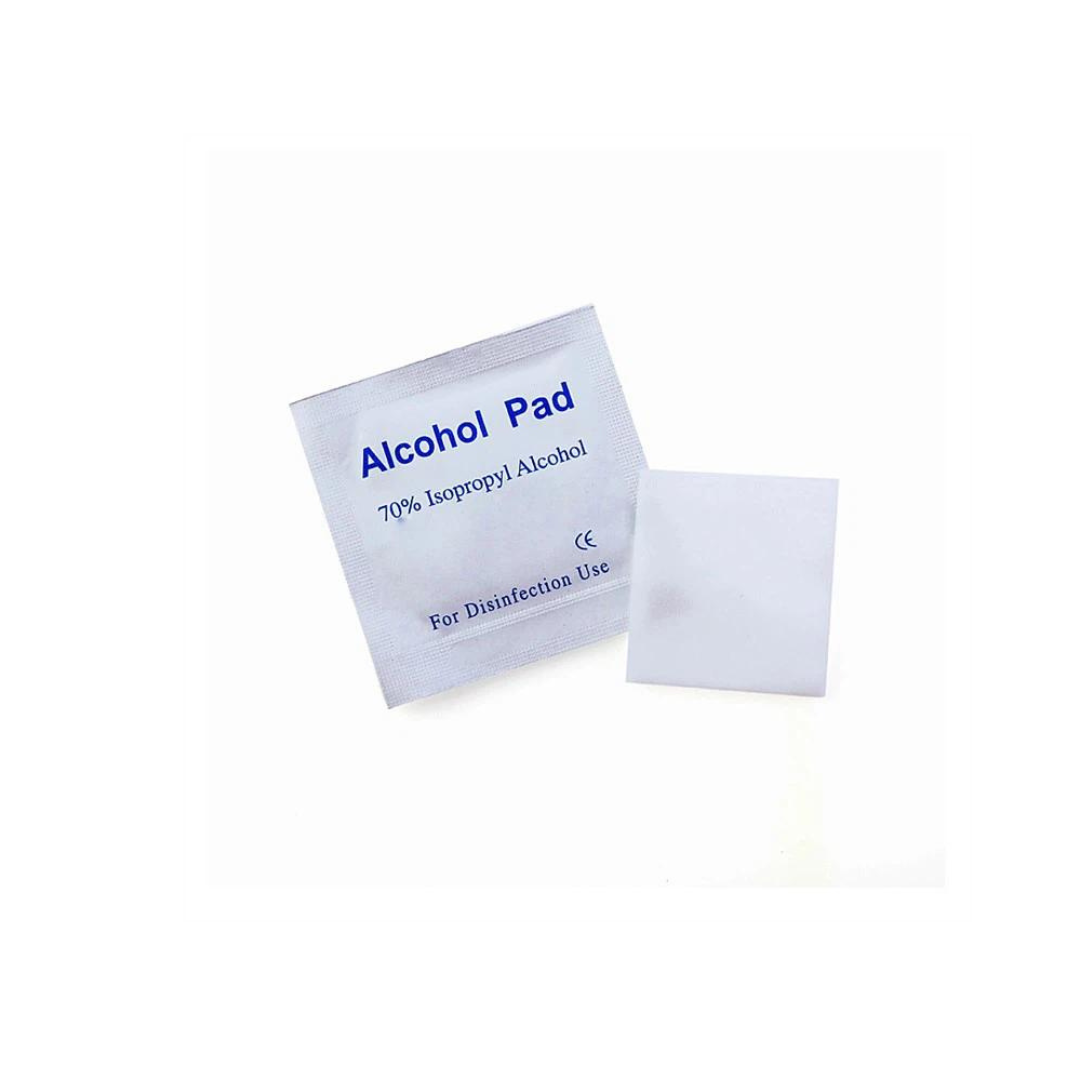
Sterile alcohol swabs
SOURCES
Scientific references
Links reported by the source and selected by type. Their presence does not validate this page’s dosage data.