
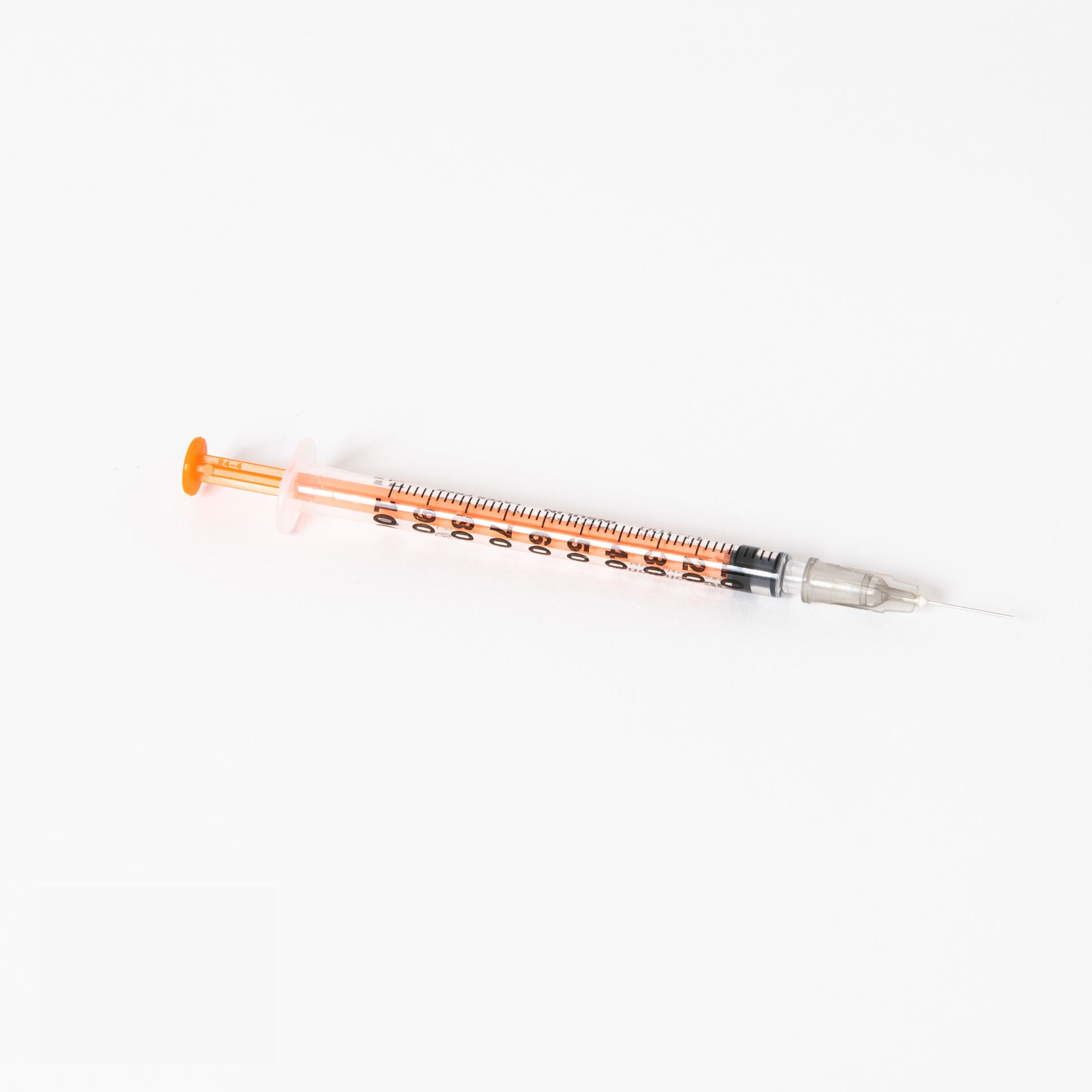
Single peptide Vial strength 10 mg
Adamax10 mg
Explore the format, calculations, and schedules reported for this compound.
Back to peptides
Get to know the compound
Adamax, explained simply
A Semax derivative modified with an adamantane group, explored in research on brain function and neuroprotection.
Research area
Cognition and neuronal plasticity
How it works
The structural modification is proposed to improve stability and access to the nervous system; research also explores BDNF-related pathways and neuroplasticity.
Why it matters
Interest centres on memory, learning and stress responses.
What has been observed
Available evidence consists mainly of preclinical studies and findings for Semax, the parent compound. Semax findings are not direct evidence for Adamax.
Effects and points to consider
Adamax-specific human and long-term data are limited. Subcutaneous administration may also cause local reactions.
01 / Vial strength 10 mg
Reported data
Doses and cycles are presented for information and education only; they are not prescriptions or medical advice.
Reported vial strength and reconstitution
| Vial contents | 10 mg Adamax |
|---|---|
| Final volume | 3 mL |
| Concentration | 3.33 mg/mL |
| One U-100 unit | 33.33 mcg in 0.01 mL |
Standard / Gradual Approach (3 mL = ~3.33 mg/mL)
| Week | Daily Dose | Units (per injection) (mL) |
|---|---|---|
| Weeks 1–2 | 300 mcg (0.3 mg) | 9 units (0.09 mL) |
| Weeks 3–4 | 500 mcg (0.5 mg) | 15 units (0.15 mL) |
| Weeks 5–6 | 750 mcg (0.75 mg) | 23 units (0.23 mL) |
| Weeks 7–8 | 1000 mcg (1.0 mg) | 30 units (0.30 mL) |
Supplies needed
View on Amazon
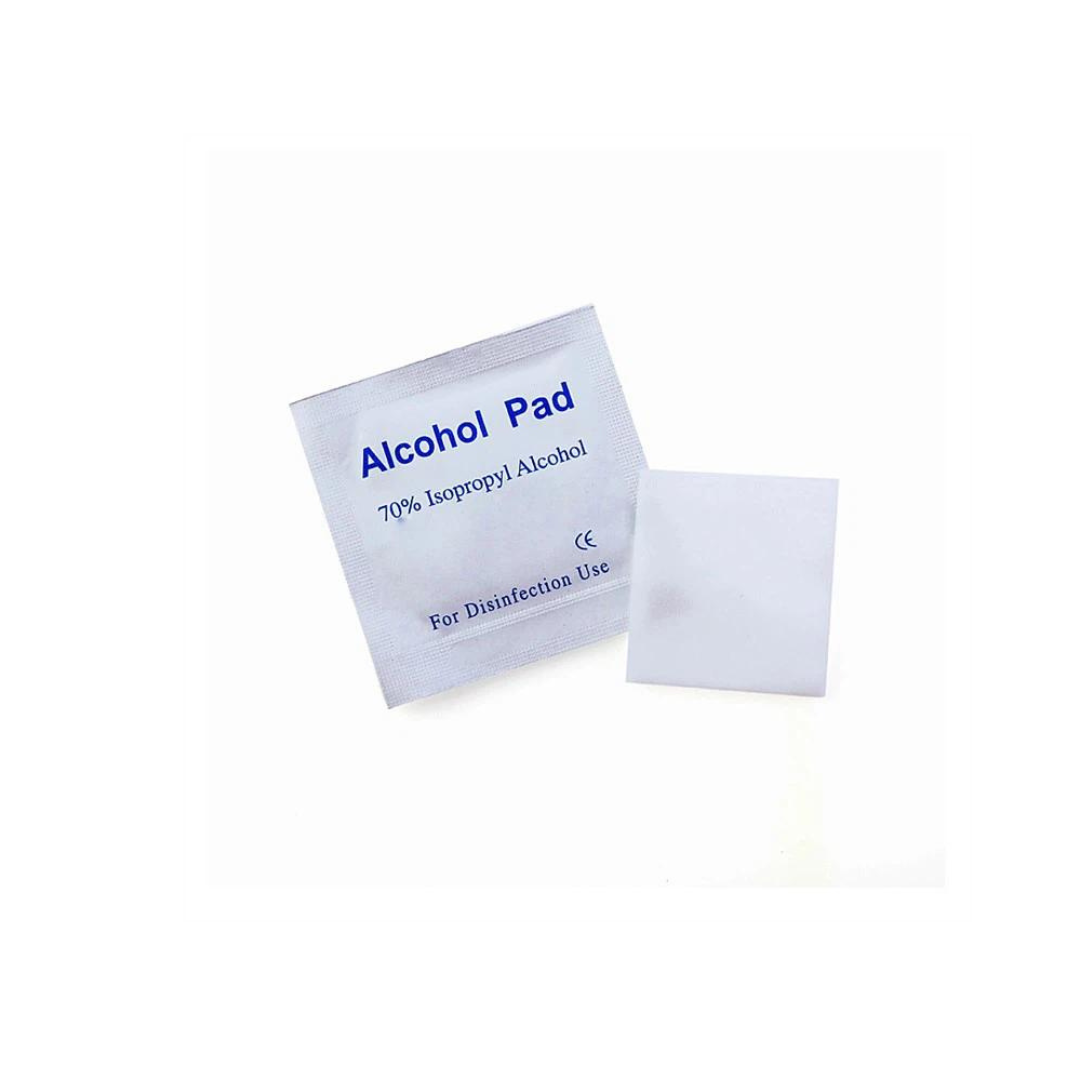
Sterile alcohol swabs
SOURCES
Scientific references
Links reported by the source and selected by type. Their presence does not validate this page’s dosage data.